


12 June 2025
Pupil well-being
Understandably, many children were nervous going back into the school environment and a classroom full of their fellow students. Having gone through a period of so many uncertainties and changes to their daily routines, it must have been a very daunting prospect after being stuck at home with no physical interaction with friends.
Schools up and down the country were under significant pressure to not only get their curriculum back on track, but also to address and support the well-being of pupils after a traumatic point in time. Teachers were working closely on relationships with pupils and understanding both their needs and those of their families. Armed with these insights, teachers were better positioned to spot when something was wrong.
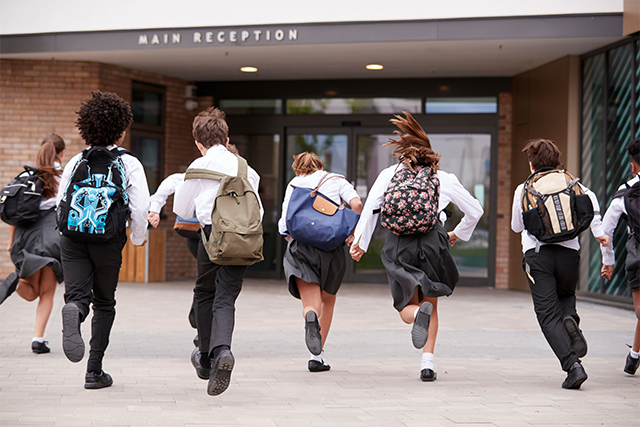
5 years on, we’re still feeling the aftershocks from the pandemic, with pupils feeling particular strain through schoolwork. Our new report, Generation catch-up 2.0, looks at what the challenges to pupil well-being are 5 years after home-schooling took hold.
Within the report, we interviewed 4 senior leaders from schools and MATs to share their insights and advice with you. Here are 6 pieces of advice from the experts who participated in Generation catch-up 2.0, to help nurture pupils’ minds further since the pandemic.
- Create a culture where learning is the norm, students are calm and focused on learning so it is easier to spot children who in need of support whereas if the environment was noisy and chaotic it would be much harder to see
- Mossbourne MAT has 11 designated safeguarding leads who are all trained in mental health. These are all Heads of Year, SENDCO or SLT members. The system is designed to make sure a highly trained person is able to deal with the pupil, and work with the Head of Year, SENDCO and Education Welfare Officer where needed.
- Practicing mindfulness techniques with all pupils to help them adjust to being at school. ShireStone Academy use the My Happy Mind programme in school to build emotional resilience, this includes happy breathing, which is built into school day and journalling, which gives teachers and SLT a good insight into how each child is feeling
- Work with charities. Compass, for example, is a charity who come into Mossbourne MAT schools to do sessions with children, parents, carers and families – people can self-refer as well. Compass also attend parent events to build familiarity, so people feel comfortable working with them.
- Recognising that it’s not just pupils who may be struggling with their mental health. Parents may be struggling with mental health issues, financial worries, and job insecurity amongst a whole range of day-to-day priorities. To support the parents and carers is to support the pupils to have a calmer home life. That’s why schools as part of the ONE Academy Trust run workshops for parents who may need extra guidance.
- Offering breakfast clubs is like offering a ‘runway’ into school, according to Graham Boyd of ONE Academy Trust. “We try and give them opportunities to succeed rather than opportunities to fail and create an environment where they can do that.”